
From colonization to the gold rush to supporting efforts during wartime, Australia and the United States share fascinating parallels in their histories. These pivotal moments shaped both nations’ trajectories and inspired holidays commemorating resilience, sacrifice, and progress. Let’s explore the similarities between the two countries and how their celebrations reflect their histories.
Colonization and National Foundations
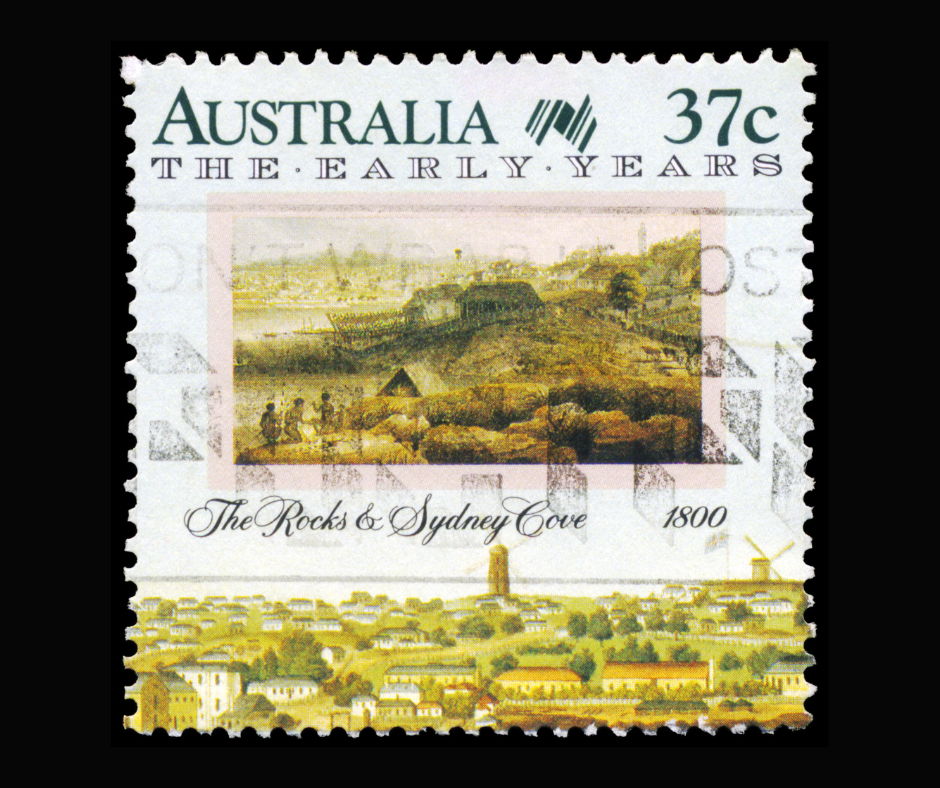
Both Australia and the United States were profoundly shaped by colonization. For Australia, the arrival of the First Fleet in 1788 marked the beginning of British settlement, commemorated annually on Australia Day (January 26). This day serves as a reminder of the country’s colonial roots, though it also prompts reflection on the impact of colonization on Indigenous Australians.
Similarly, the United States celebrates Independence Day (July 4), marking the adoption of the Declaration of Independence in 1776. While this day symbolizes freedom and the beginning of a new nation, it also invites dialogue about the complexities of colonial history and its effects on Indigenous populations.
The Gold Rush and Economic Booms
The mid-19th century saw gold rushes that forever changed both nations. Australia’s gold rush, beginning in the 1850s, drew thousands of prospectors to places like Ballarat and Bendigo, fueling economic growth and cultural diversity. The United States experienced a similar phenomenon with the California Gold Rush in 1849, leading to rapid westward expansion.
Though neither country has a national holiday solely dedicated to these events, the spirit of these periods lives on in festivals and local commemorations. For instance, Sovereign Hill in Australia and California’s Gold Discovery Day offer glimpses into these transformative eras. You can visit Sovereign Hill to experience this past and even try your hand at gold mining.
Folk Heroes: Ned Kelly and Wyatt Earp
Australia’s bushranger Ned Kelly and America’s lawman Wyatt Earp are iconic figures who symbolize rebellion and law in their respective histories. Ned Kelly, often romanticized as a champion of the oppressed, became a symbol of defiance against authority in colonial Australia. His story, including the infamous siege at Glenrowan, has been immortalized in Australian folklore and popular culture. During my visit to Glenrowan, I delved into the history of the Kelly Gang and the events leading up to their dramatic final stand. It was fascinating to see the site where history unfolded and learn about the legacy of this infamous outlaw. I even had my photo taken next to Ned Kelly’s towering statue, which reminded me of the statues of Paul Bunyan in the United States—both figures larger than life, representing myths that have grown over time.
Similarly, Wyatt Earp represents the Wild West of America, standing as a figure of justice during an era of lawlessness. Known for the legendary Gunfight at the O.K. Corral, Earp’s legacy is celebrated in stories and reenactments that capture the rugged spirit of frontier America.
Though operating on opposite sides of the law, both figures have become enduring symbols of the struggles and values of their respective nations during transformative historical periods.
Wartime Sacrifice and Commemoration
Another profound link between Australia and the United States is their shared commitment to global efforts during wartime. Both countries honor their veterans and fallen heroes through national holidays.
In Australia, Anzac Day (April 25) honors the Australian and New Zealand Army Corps who served in World War I and subsequent conflicts. It’s a day of solemn reflection, marked by dawn services and parades. My visit to the Australian War Memorial in 2011 added a deeply personal connection to this history. Our destination was the War Memorial, which the Queen had visited just hours before we did. The War Memorial is Australia’s national memorial to the members of its armed forces and supporting organizations who have died or participated in wars involving the Commonwealth of Australia. Seeing the walls lined with red poppies and visiting the Hall of Memory with the Tomb of the Unknown Australian Soldier was fascinating. It’s very surreal and so akin to our museums in the States! The museum also made it quite evident what a role Australia had played during both World Wars. Given that my grandfather had been a bomber pilot during World War II, I found the information to be intriguing, and seeing the museum also reminded me of US memorials and our own Unknown Soldiers. People are separated by oceans but fighting as one—people with different governments and beliefs, yet united in the quest for freedom and peace.
The United States observes Veterans Day (November 11) and Memorial Day (the last Monday in May) to honor those who have served and sacrificed. Both nations use these occasions to remember their roles in global conflicts and the values for which their soldiers fought.
Reflecting on Shared Themes
While the specific holidays and traditions differ, resilience, unity, and remembrance themes resonate strongly in both countries. These celebrations provide opportunities to reflect on how historical events shaped national identities while fostering dialogue about the ongoing impact of these legacies.
As we explore these holidays, we’re reminded that the histories of Australia and the United States are not only tales of conquest and growth but also narratives of community, sacrifice, and hope for a better future. By understanding these shared legacies, we deepen our appreciation for the cultural connections between these two nations.
Whether it’s honoring the journey of colonization, celebrating the prosperity sparked by gold rushes, or remembering those who served in times of war, the holidays of Australia and the United States serve as enduring reminders of shared histories. They invite us to celebrate and reflect, ensuring these stories remain integral to our national consciousness. As we uncover these parallels, we find common ground that bridges continents and connects people through time.

Lisa Rossmeissl is the owner of Boomerang Escapes, a home-based agency located in Old Bridge, New Jersey with agents in TN, MS, and WI.
She has been a professional travel consultant since 2008 and specializes in Australia and the South Pacific. Australia, New Zealand, Tahiti, Fiji, and Cook Islands are among the specialist certificates she holds. Her agency’s focus is on creating custom itineraries with their client’s wants, desires, and budgets in mind. She and her planners believe in getting to know the traveler to ensure they have a vacation to remember. With each planner specializing in a different market area, Boomerang Escapes can offer a wide variety of leisure vacation planning.
Leave a Reply